Name of the building: Hutter's Villa
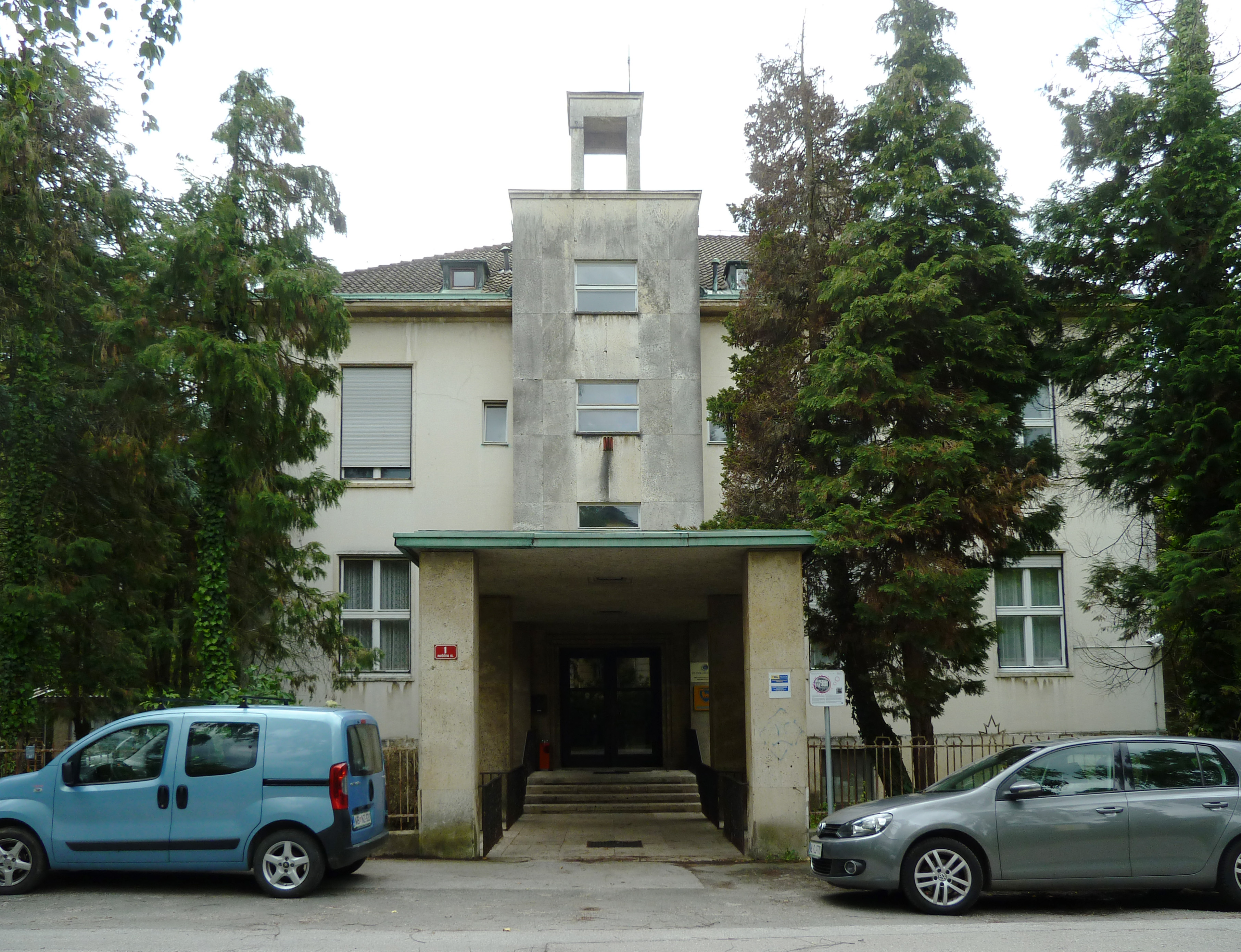
Location: Marčičeva ulica 1 (at the time of construction known as Badlova ulica 2)
Architect: Jože Jelenec
Time of construction: 1927-1935
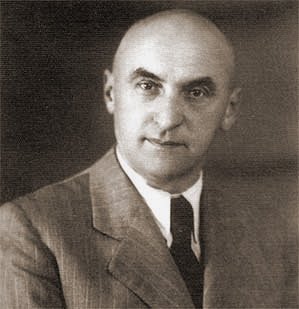
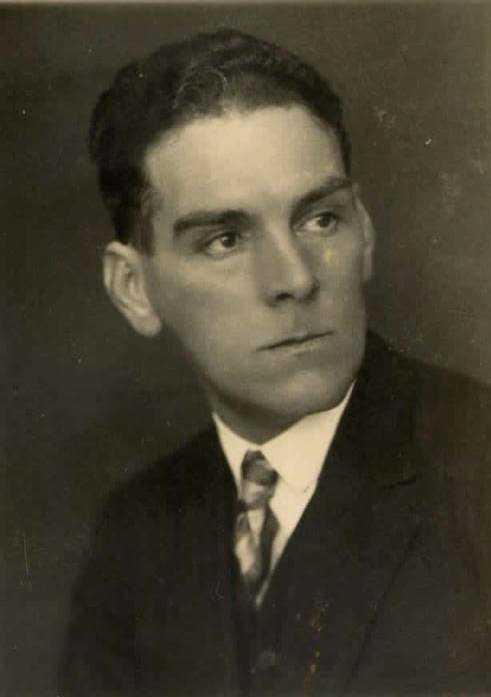
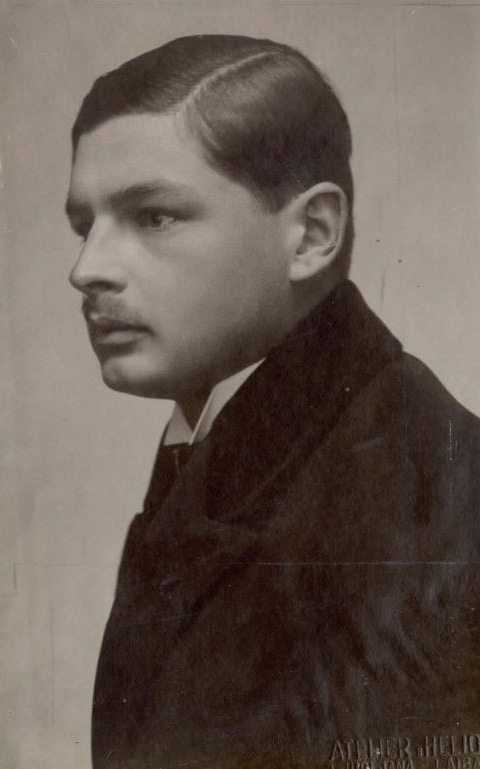
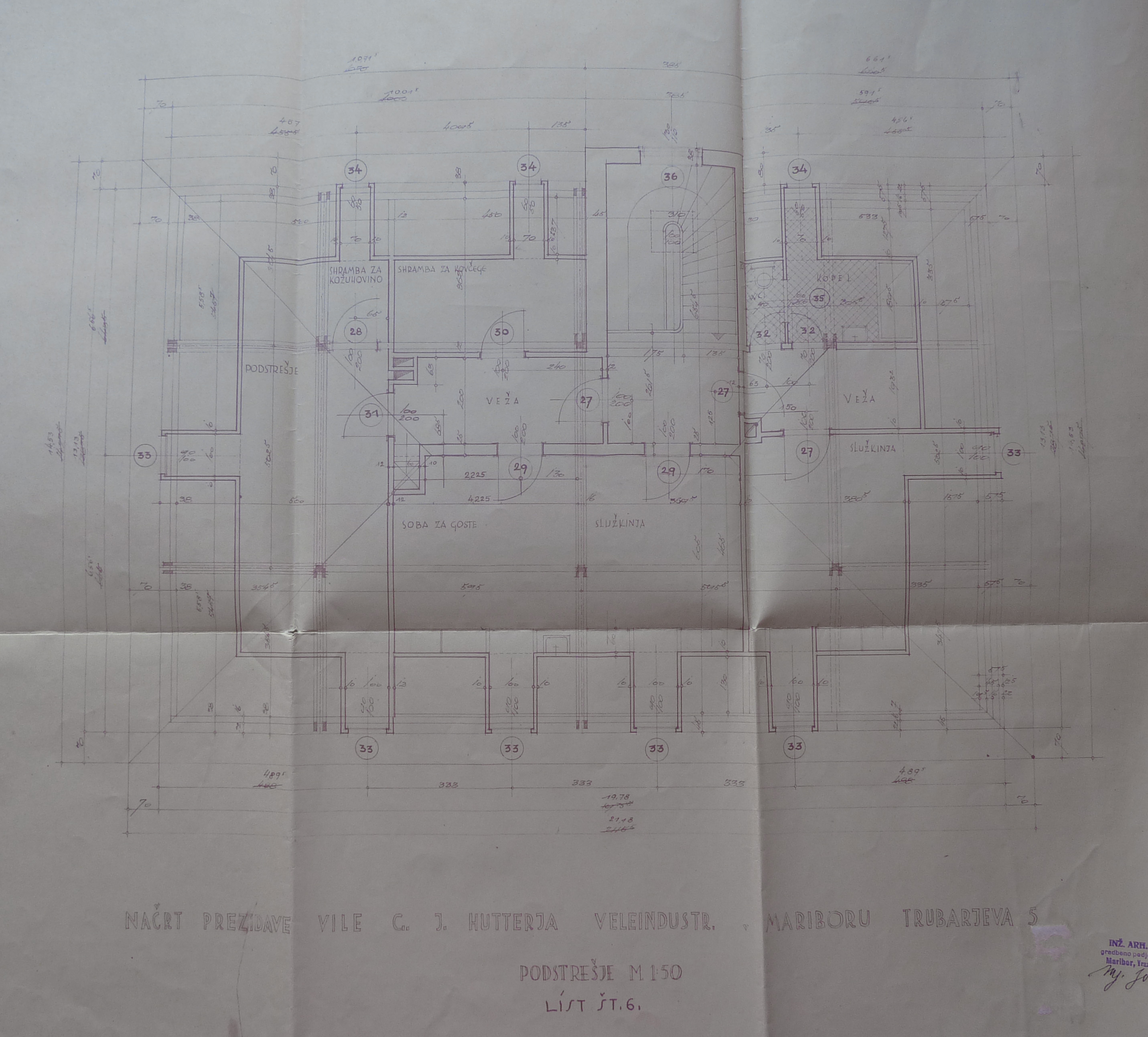
The villa on Marčičeva ulica 1 is situated in a neighbourhood of villas in the direct vicinity of the Town Park in the northwest part of Maribor. Factory owner Josip Hutter (fig. 1), who was the founder and co-owner of the successful Hutter in drug (Hutter and Associate) Textile Factory in the Melje District, commissioned the villa for his family. In 1927, Maribor's construction company and technical office of Jože Jelenec and Vladimir Šlajmer (figs. 2, 3), which was known as one of the largest in Maribor in the interwar period, made the majority of the preserved plans for the villa. Despite the fact that the plans only show the reconstruction, it is probable that an older villa from 1892 was razed to the ground and a new single-storey house with a basement and a living space in the attic was built in its place. The family moved into the villa in 1935 and lived there until 1945, when the building was confiscated and the family evicted.
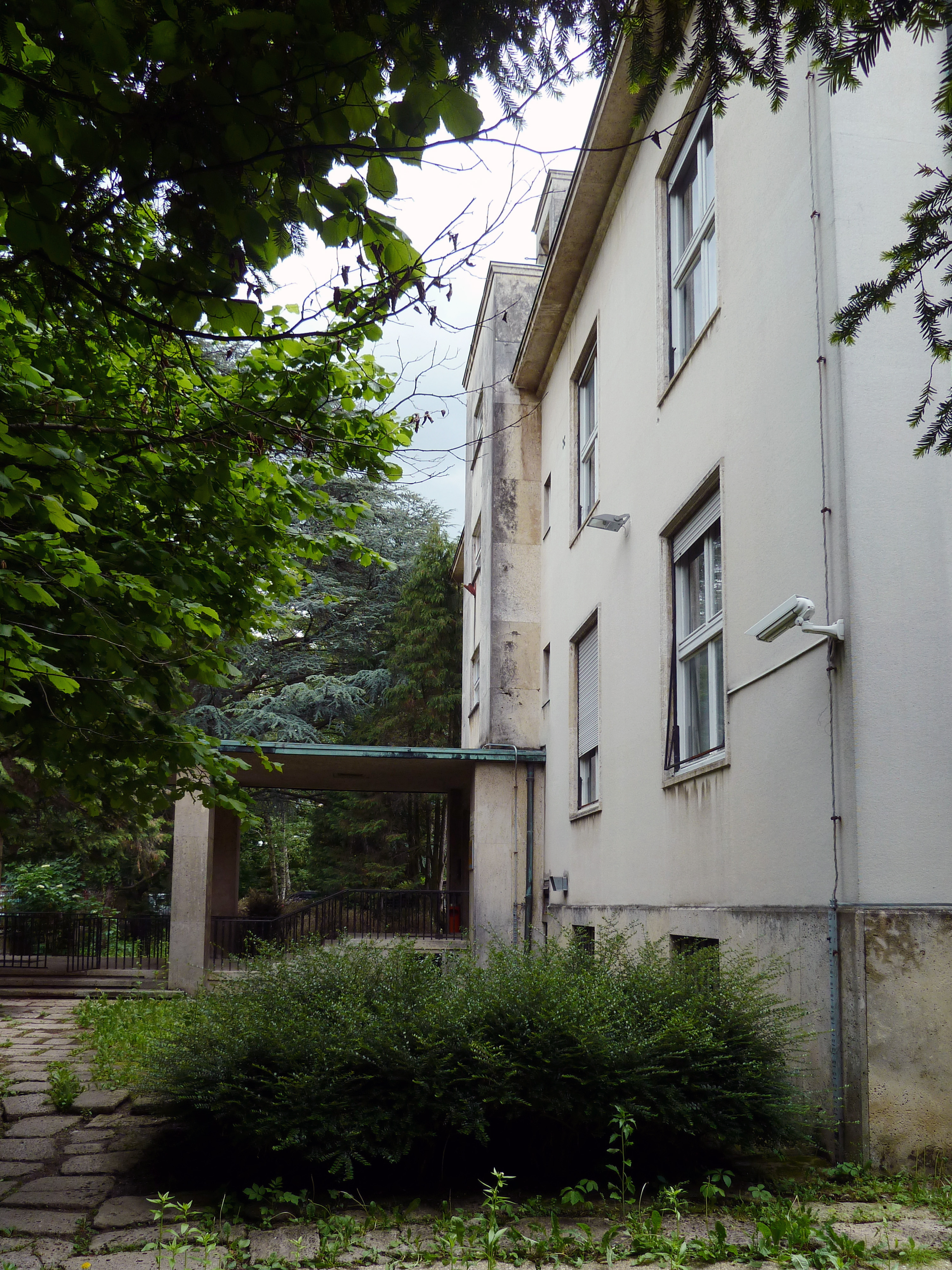
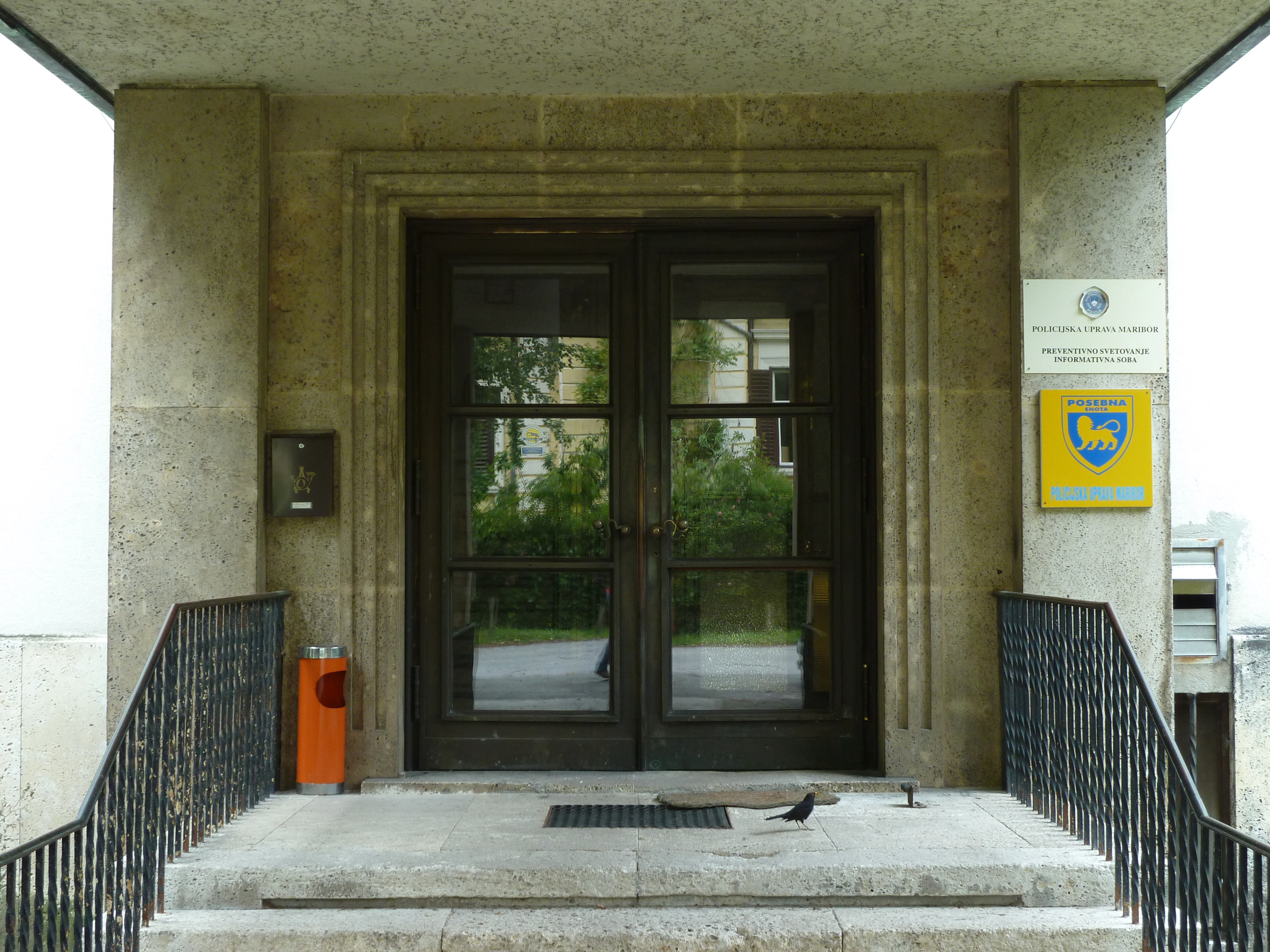
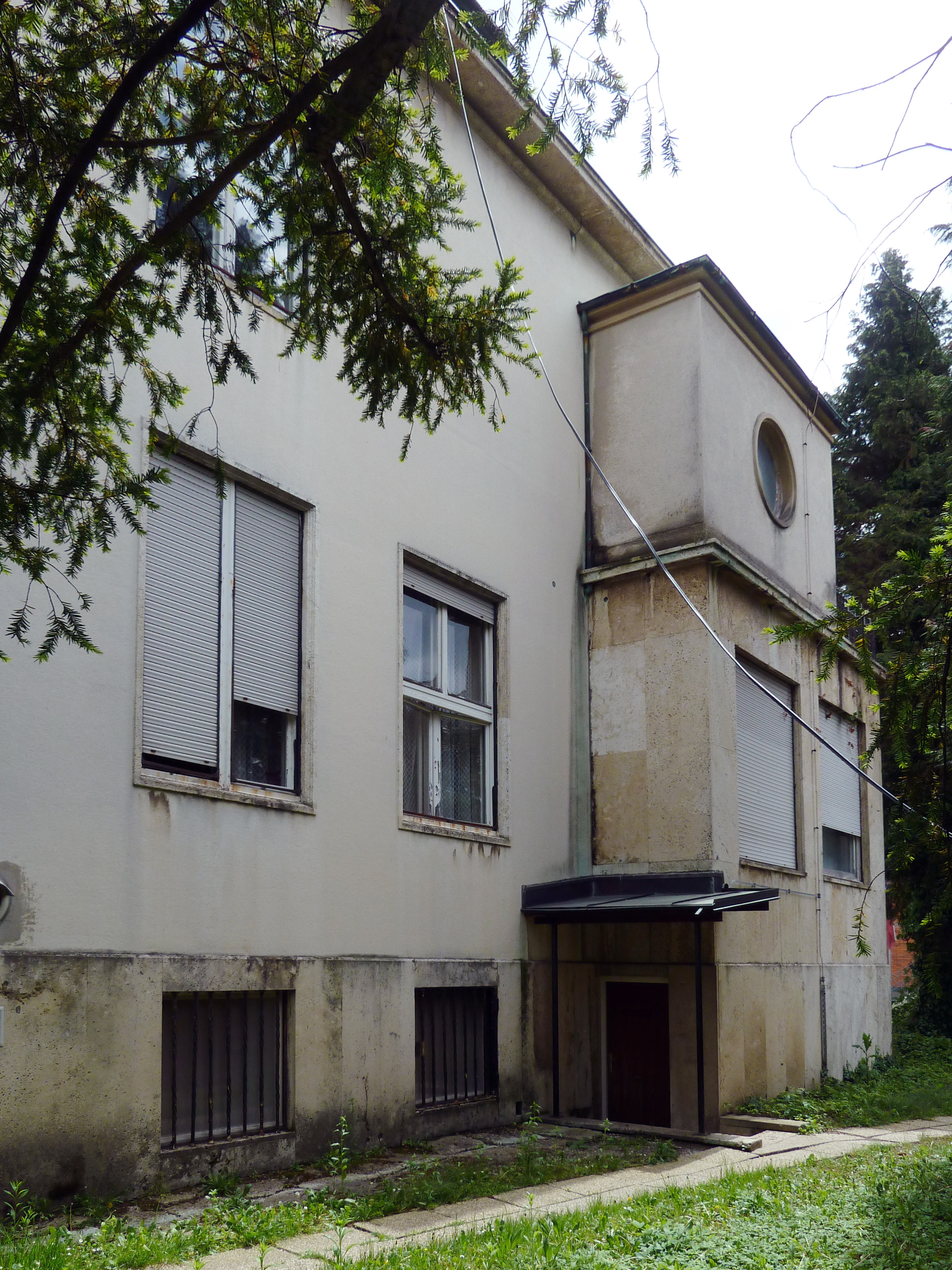
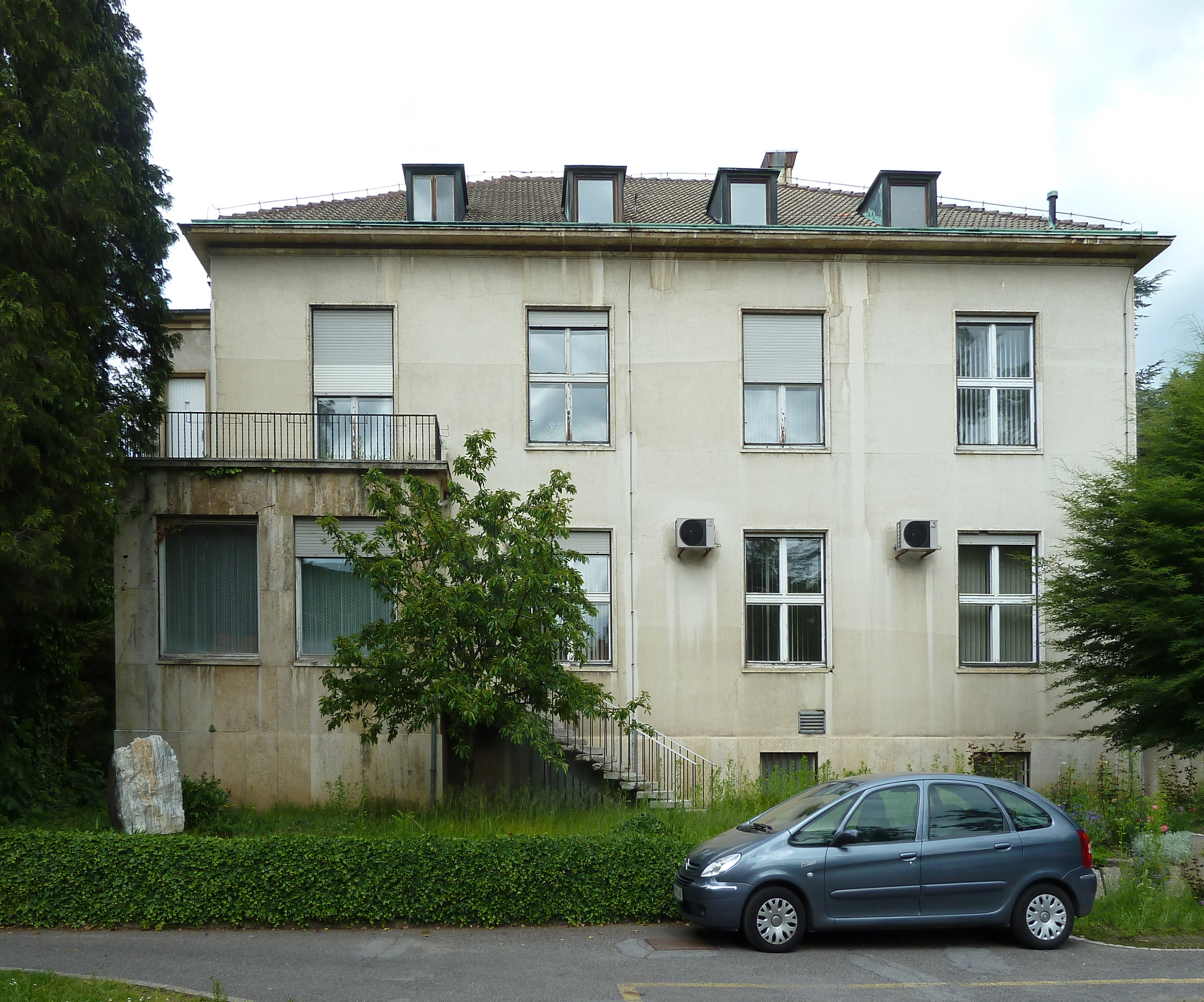
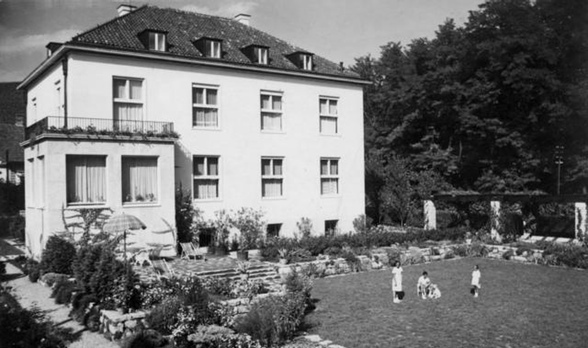
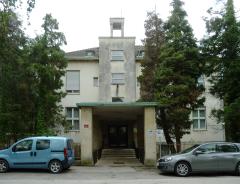
The villa is designed as a single massive building cube with a hipped roof. The main northern façade with four-bays is monumental. It is divided by a one-bay projection with a turret at the top, an open colonnade with a forged fence on both sides and a roof plate made of reinforced concrete and covered in galvanized sheet metal. The colonnade leads to the elevated dais, where the main entrance to the villa lies. A massive double door made of bronzed metal with a nicely shaped handle and a profiled stone frame leads inside the villa (figs. 4, 5, 6). The design of the other façades is simpler; they are articulated by large windows with profiled frames on the high ground floor and on the first floor, with somewhat smaller windows with forged window grilles in the half basement. The walls are covered with white plaster, while stone plates cover protruding volumes such as the entrance projection and the corner addition with a terrace on the northwest corner of the building, the pavement and the pillars of the colonnade, as well as the base moulding, which surrounds the whole villa. The original yellow shade of the stone is preserved only on some plates on the colonnade (figs. 7, 8, 9).
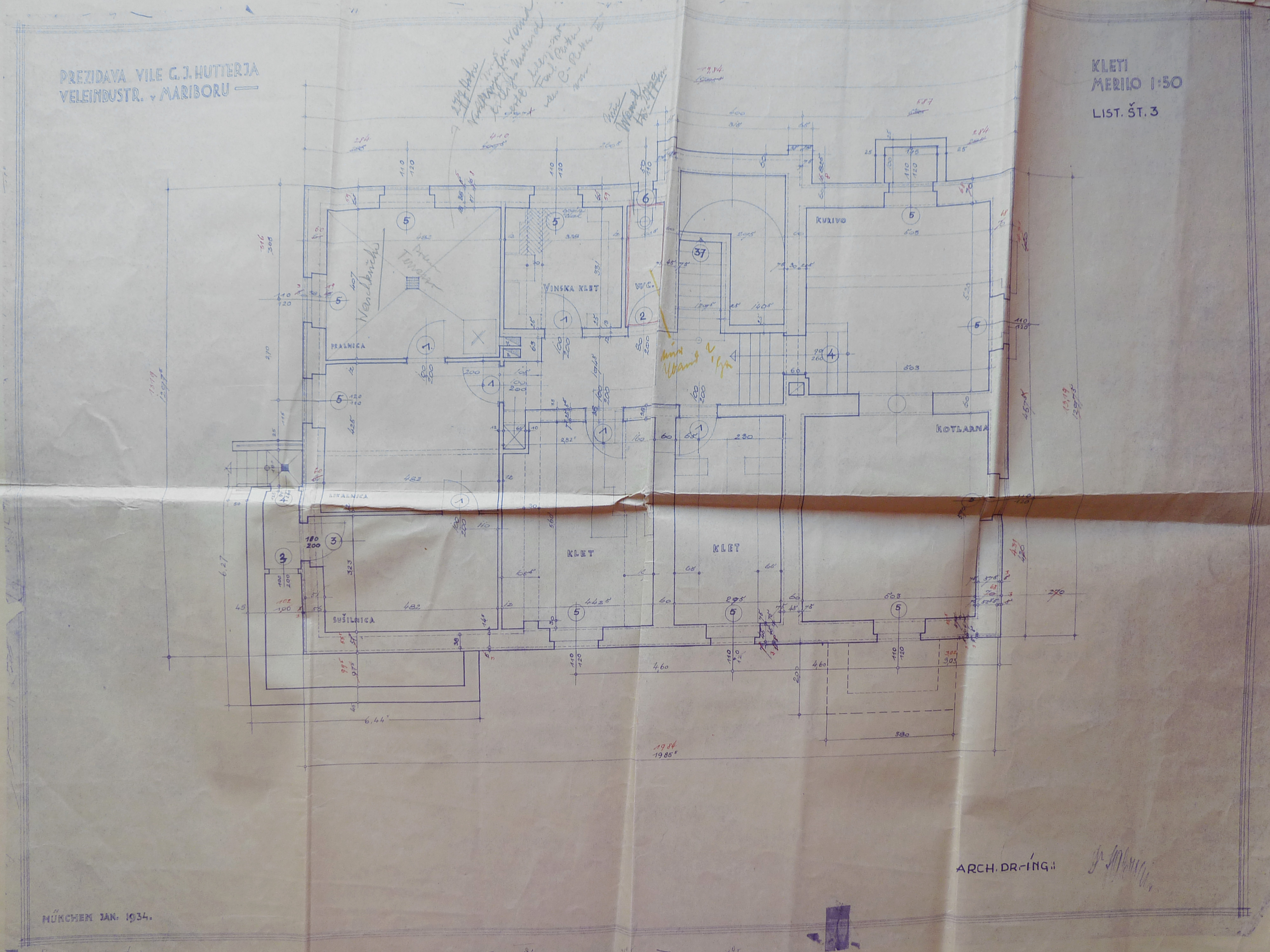
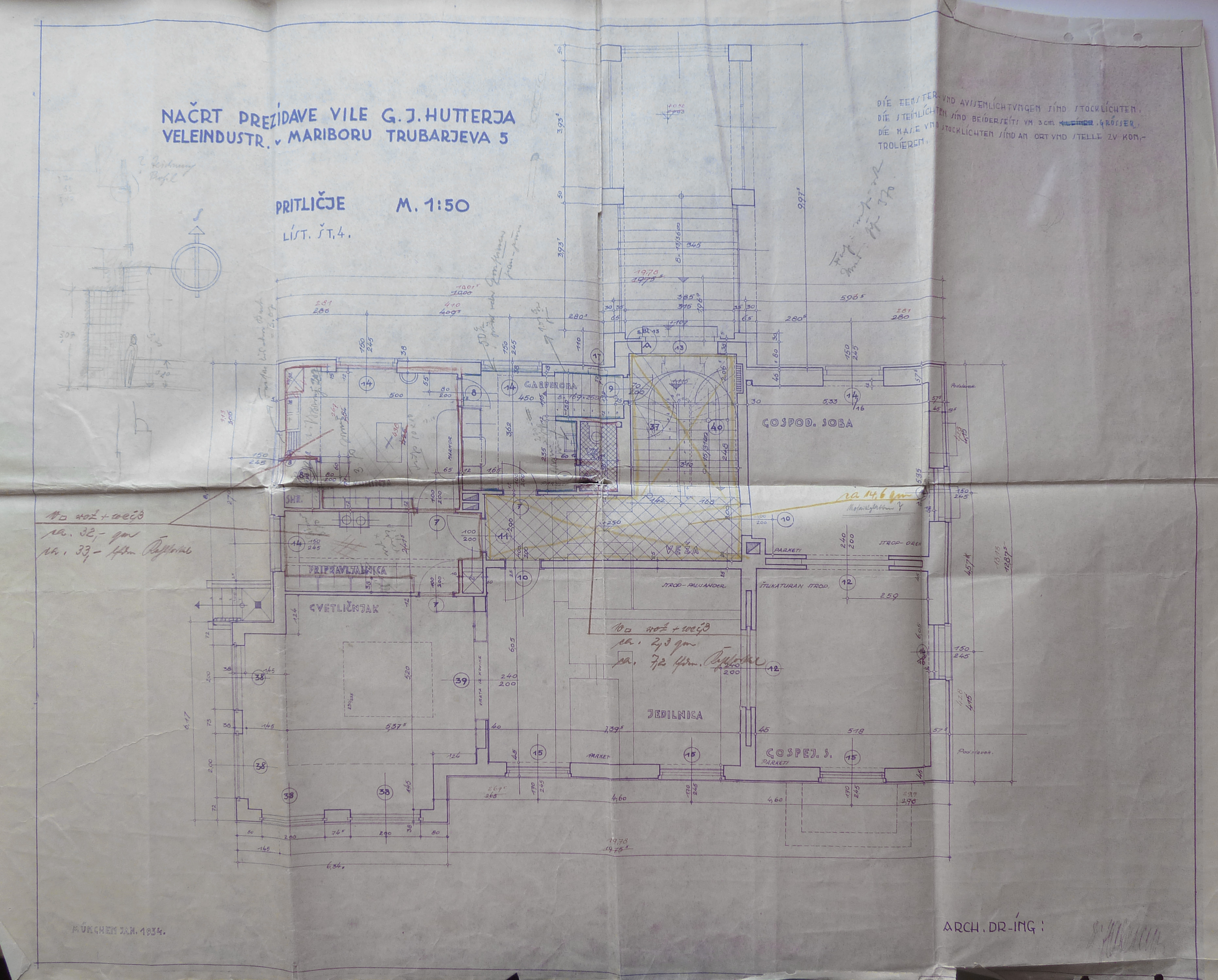
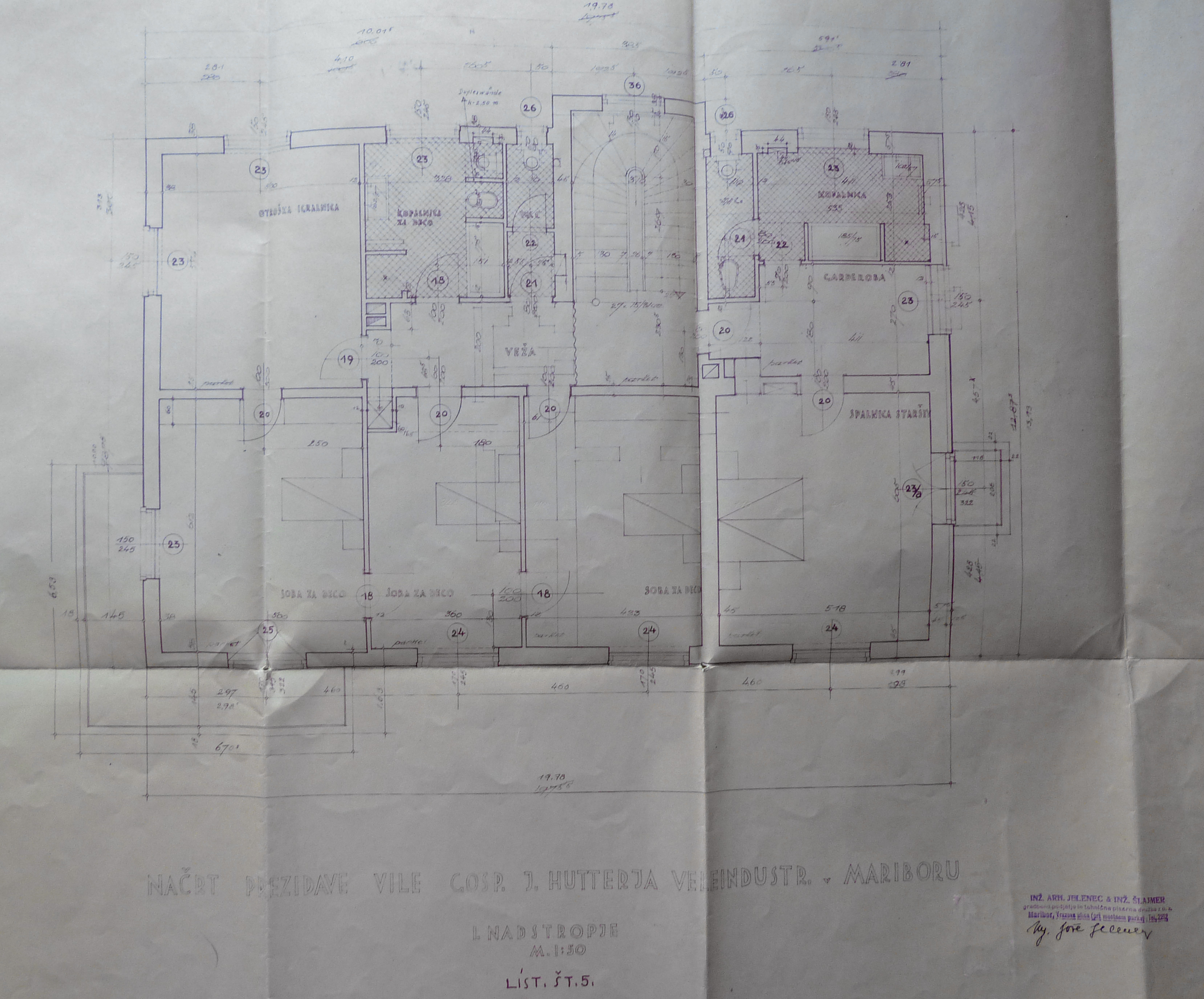
By comparing and critically interpreting some of the key written and oral sources, such as the record of the confiscation from August 1945, construction plans for the villa from 1927 and half-structured interviews with the factory owner's son Josip Hutter Jnr and the former family seamstress Irma Vračko, which were made by Dr. Jerneja Ferlež, it is possible to reconstruct the purpose of individual rooms in the villa's interior. Based on the context it is possible to infer that a foyer and a staircase were located in the projecting part of the house. The basement was used exclusively for service rooms: laundry rooms with an ironing and drying room, a larger area with a furnace for central heating and an area for fuel, a toilet and a smaller corridor with an exit to the garden (fig. 10). On the east side of the ground floor, there were the lord and lady's room for the reception of guests, a dining room on the southern side, a large living room for the reception of close friends on the southwestern side, and on the northwestern side, a preparation room, which served only to pass-through, and a well-equipped kitchen (fig. 11). The first floor was divided into a smaller eastern part with a toilet and a bathroom, a wardrobe and the bedroom of the Hutter spouses, and a larger western part with three rooms, a children's playroom, a toilet and a bathroom, which were meant exclusively for the children (fig. 12). The pantry and the rooms for the maid, the cook, the janitor and the guests, as well as the seamstress' working area were arranged in the attic (fig. 13). Based on the data in the Register of Slovene Cultural Heritage, the original furnishings of the villa are partly preserved.
The villa is fragmentally surrounded by an original decorative garden, created after the plans by Viennese born garden architect Ilse Fisheraurer in the second half of the 1930s. The original pavement made of sandstone, a box tree and a honeysuckle hedge, and a mighty Atlas cedar Cedrus atlantica »Glauca« are preserved in front of the garden on the northern side. A larger arrangement of the garden is still visible on the southern side: a slightly elevated, grassy terrace, surrounded by rocky dry stone and a pergola with stone pillars, transverse metal battens and the original lights along Trubarjeva ulica. The northern and western boundaries of the land are delineated by a fence, which was designed by the town's constructor Rudolf Kiffmann in 1928. He also made the plans for the garage on the extreme southwestern edge of Hutter's piece of land, however, because of the subsequent construction works, the garage is not preserved.
Alenka Di Battista
(23 September 2014)