The Former Minorite Monastery with the Church of Our Lady of Assumption
Johann Nepomuk Fuchs (façade, attributed)
Vojašniški trg (Barracks Square) 2
1270, ca. 1710, 1770
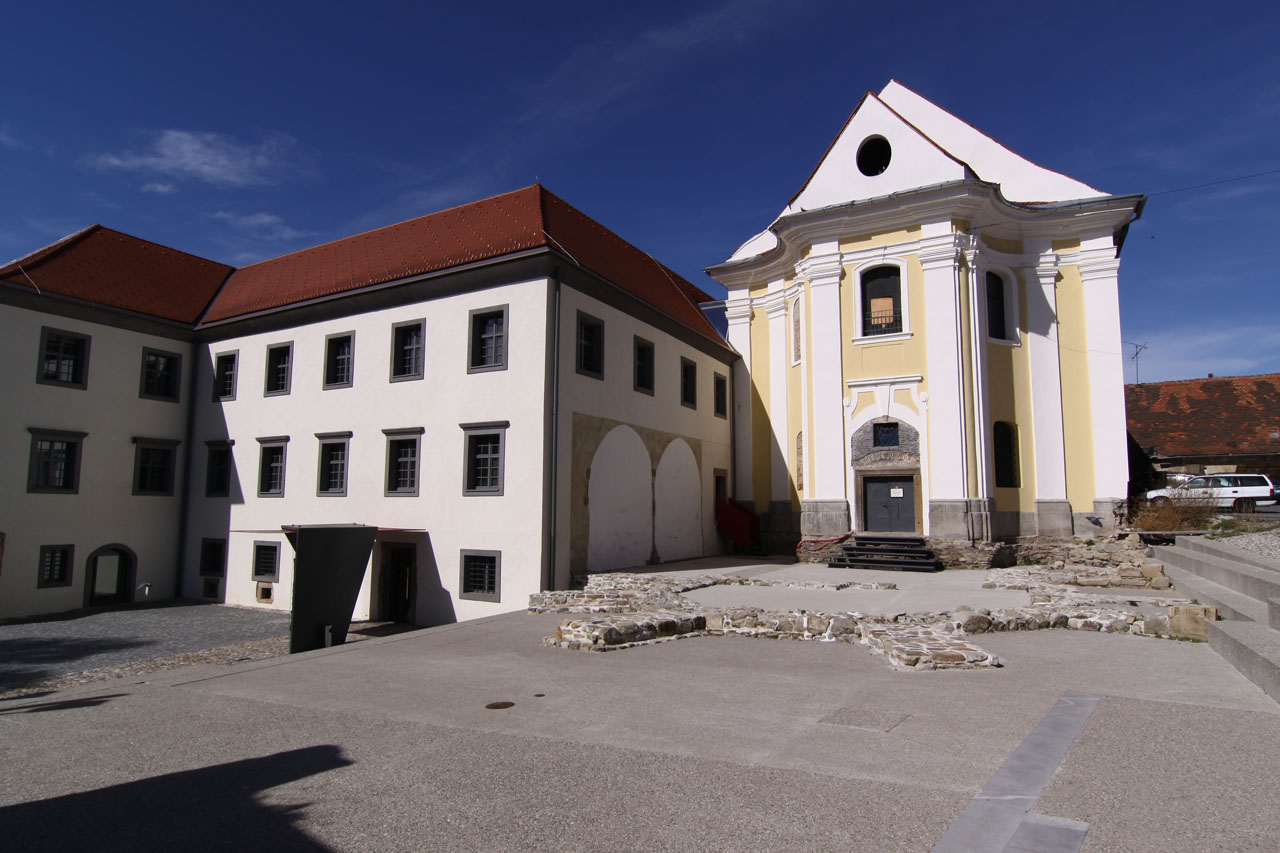
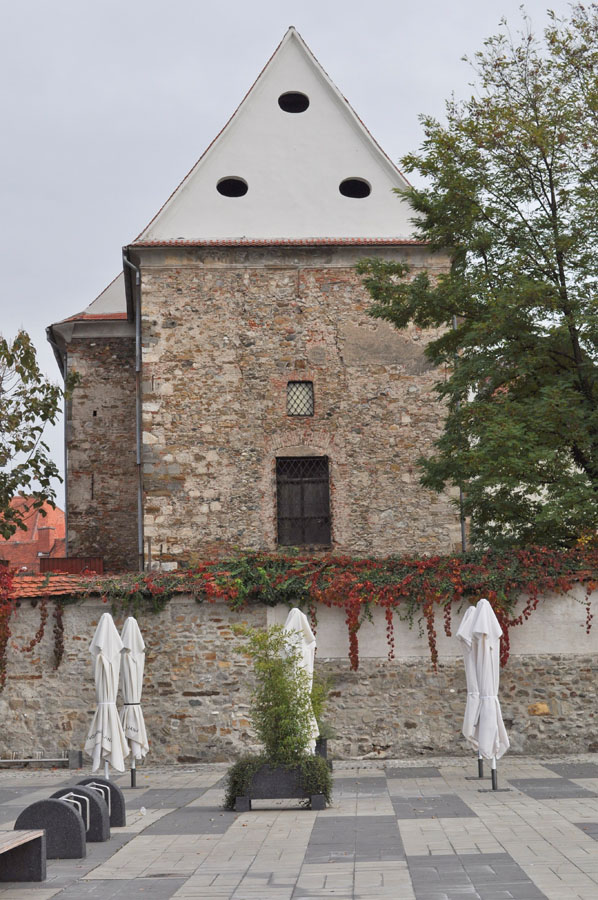
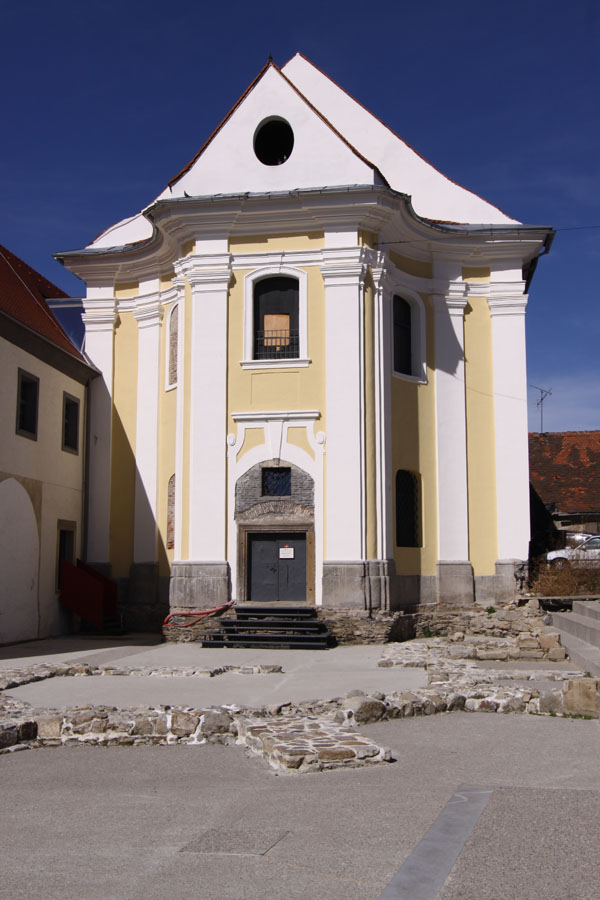
The Friars Minor of St. Francis of Assisi took up residence in Maribor in the middle of the 13th century; their monastery on Lent was first mentioned in sources in 1270. Upon their arrival they took over the existing (probably cemeterial) church. Instead of the original presbytery (shaped like an apse or a rectangular), they built an elongated choir with a polygonal conclusion. The choir was higher than the nave and covered with two bays of the groined vault. At the same time, they built the monastery beside the church. Later (14th and 16th century), they added side chapels and a sacristy to the church nave. In the second half of the 16th century, the nave was extended upward. The Baroque renovation around 1710 was the most important for the church's appearance, because they changed the orientation of the building (since then the presbytery has been on the west side). The current façade dates back to 1770; it is possible that it was made by Maribor architect Johann Nepomuk Fuchs, who came to Maribor from Silesia. At that time, the church also obtained a bell tower, which was already demolished around 1785. The building of the monastery, which first encompassed only the northern part of today's eastern wing, is comprised of three wings: the eastern (13th-15th century), southern (15th-16th century) and northern (first half of the 17th century). All three wings are surrounded by a cloister from the end of the 17th century. In the middle of the 18th century, the monastery gained an upper storey as part of its Baroque renovations.
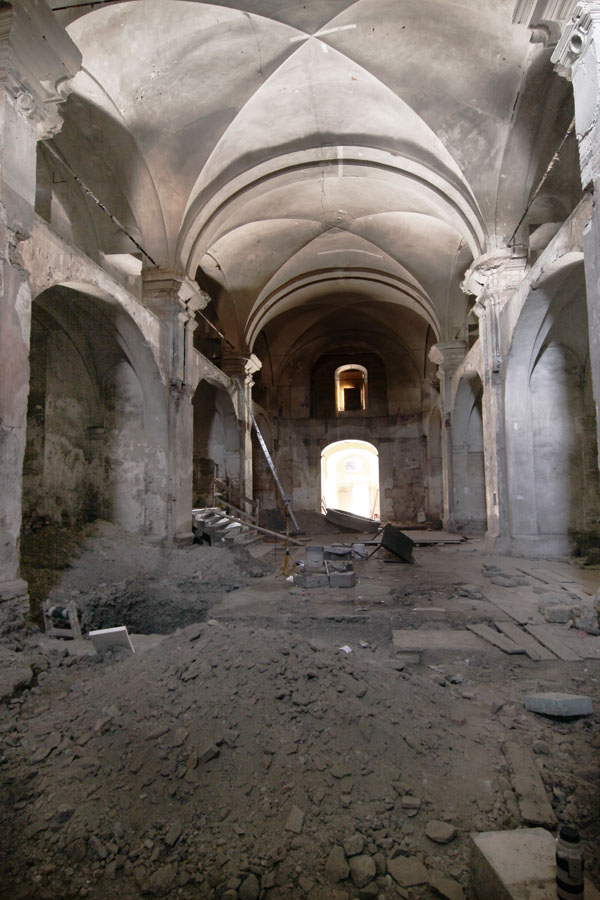
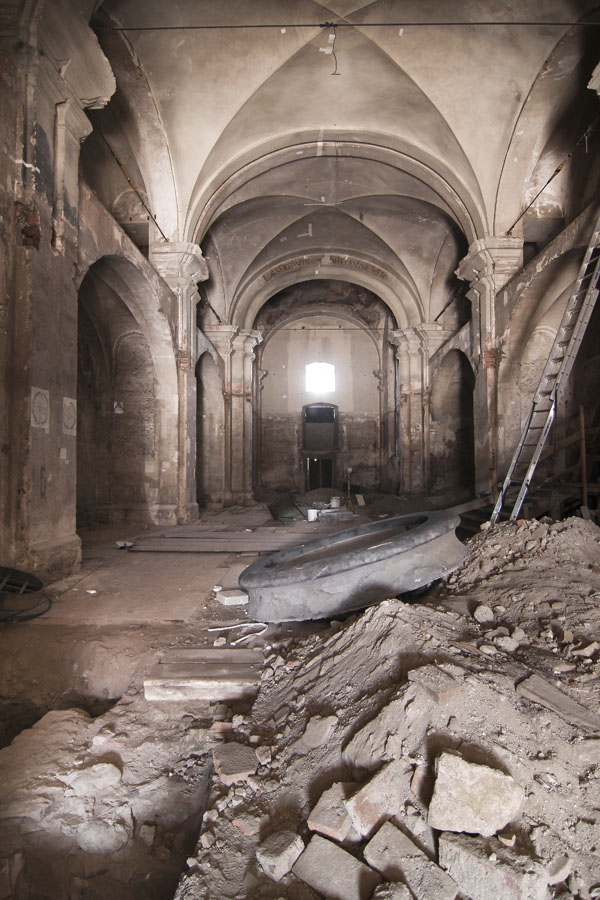
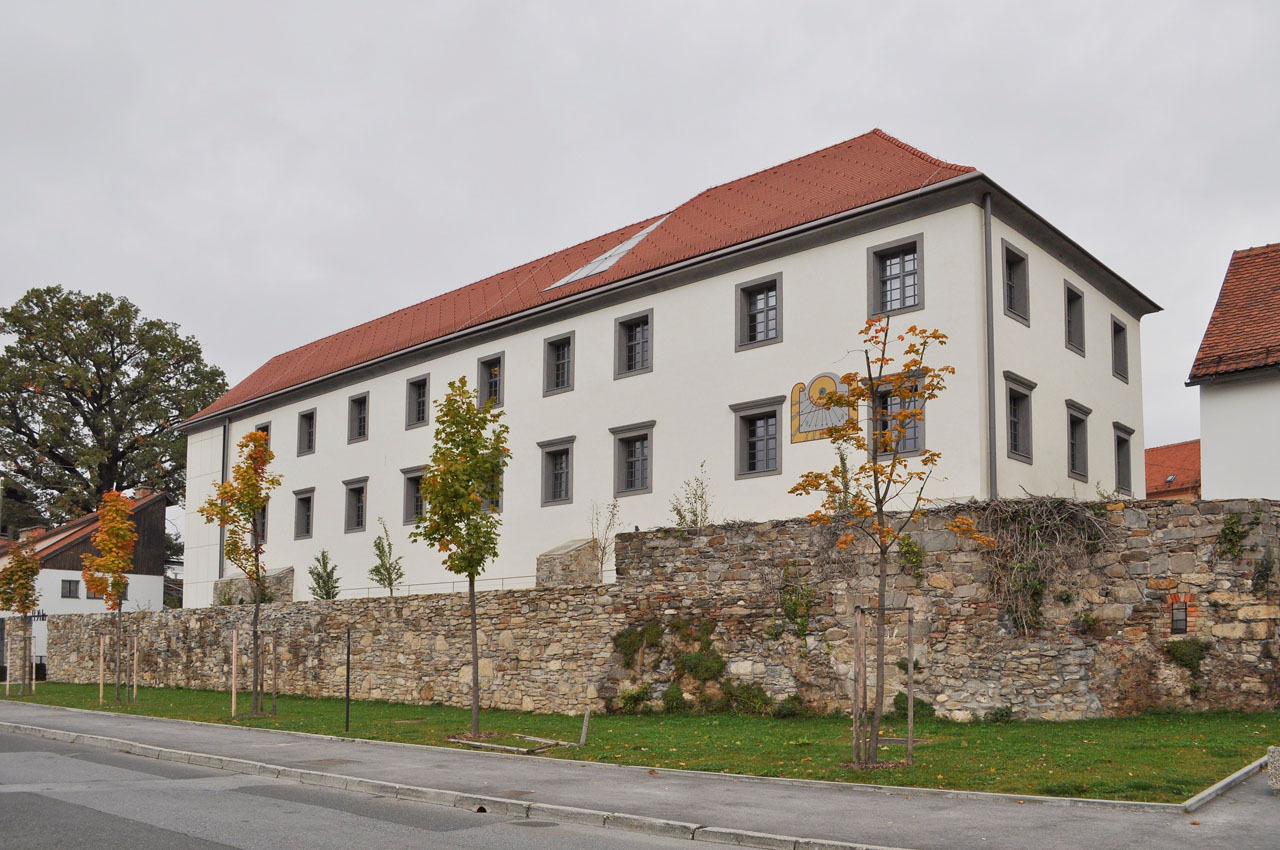
The Minorites lived on Lent until 1784, when they had to surrender the monastery and the church to the military. They moved into the building of the former Capuchin monastery (in the place of today's Franciscan monastery), which Emperor Joseph II dissolved that same year. The Minorites stayed there until 1818, when they left Maribor due to their poor financial situation. Their monastery and the church on the riverbank of the Drava River were first used for the needs of the military (military dressing room, later barracks), after 1927, they were used for apartments and storage. From 2004, the former monastery and the church were empty and left to decay. The restoration for the needs of the Puppet Theatre, which currently resides in the former monastery, began in 2007, while the church is still decaying.
Because of the uneven terrain, the monastery and the church were built on different levels; the ground level of the church is even with the first floor of the monastery. The building of the monastery is shaped like a horseshoe and is open towards the west. On the courtyard side it is surrounded by a two-storey cloister. In the eastern wing, the latter is closed by a wall, and in the other wings, by pillar or column arcades. Unfortunately, the theatre hall, which is built on the former inner courtyard, diminished the building's complexity, so that it now mostly resembles a cube.
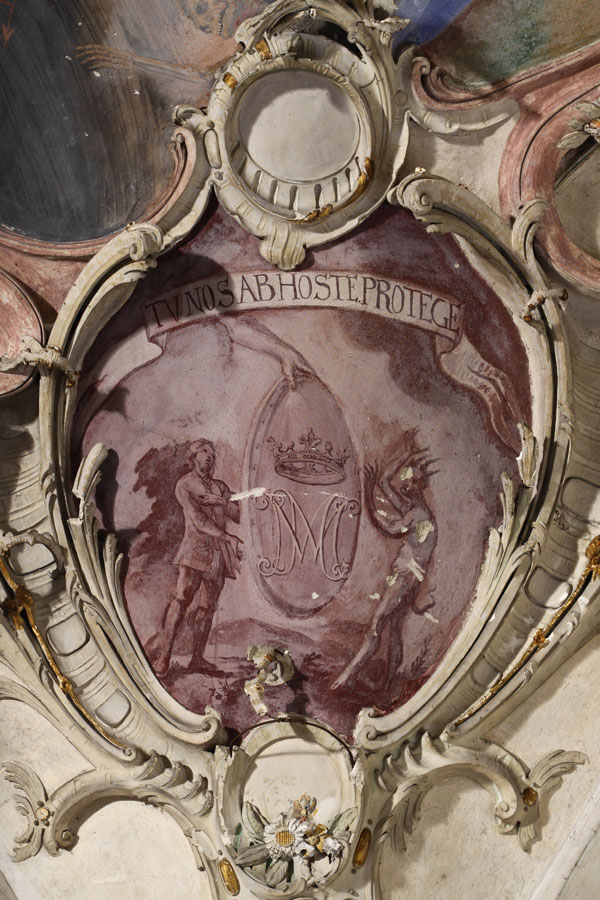
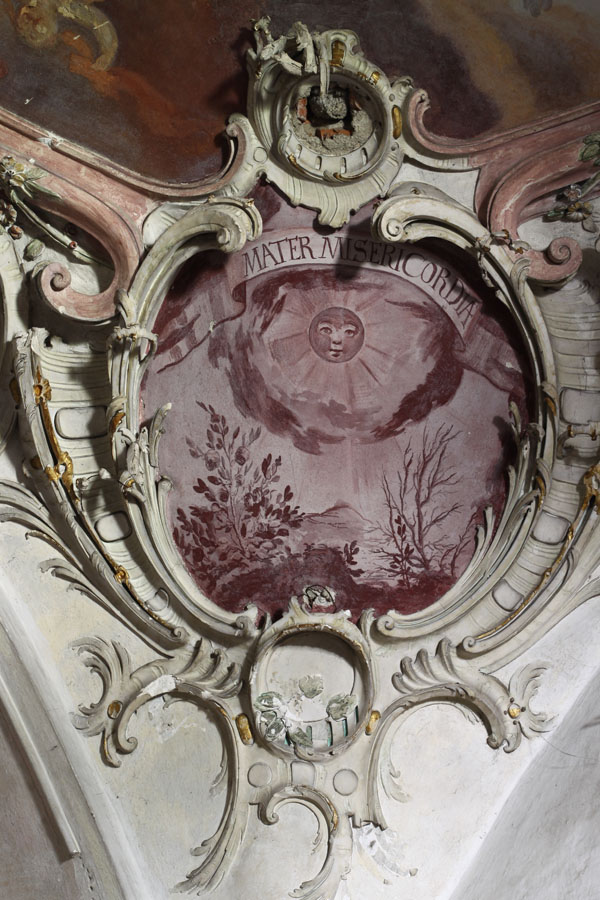
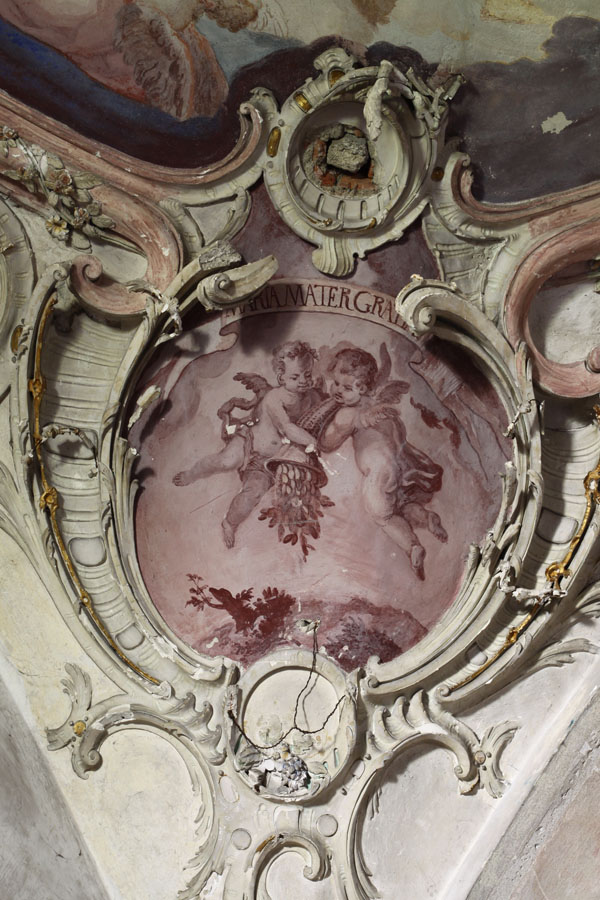
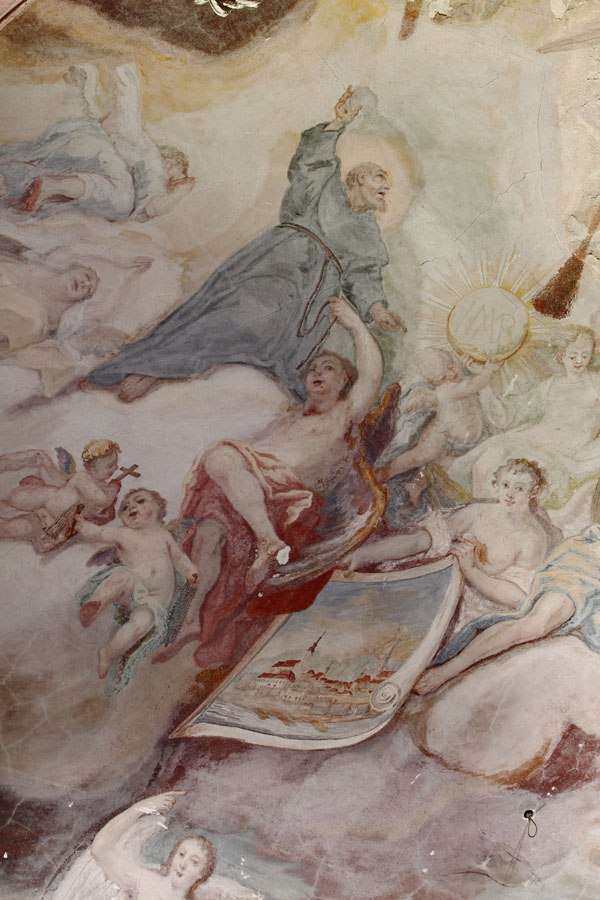
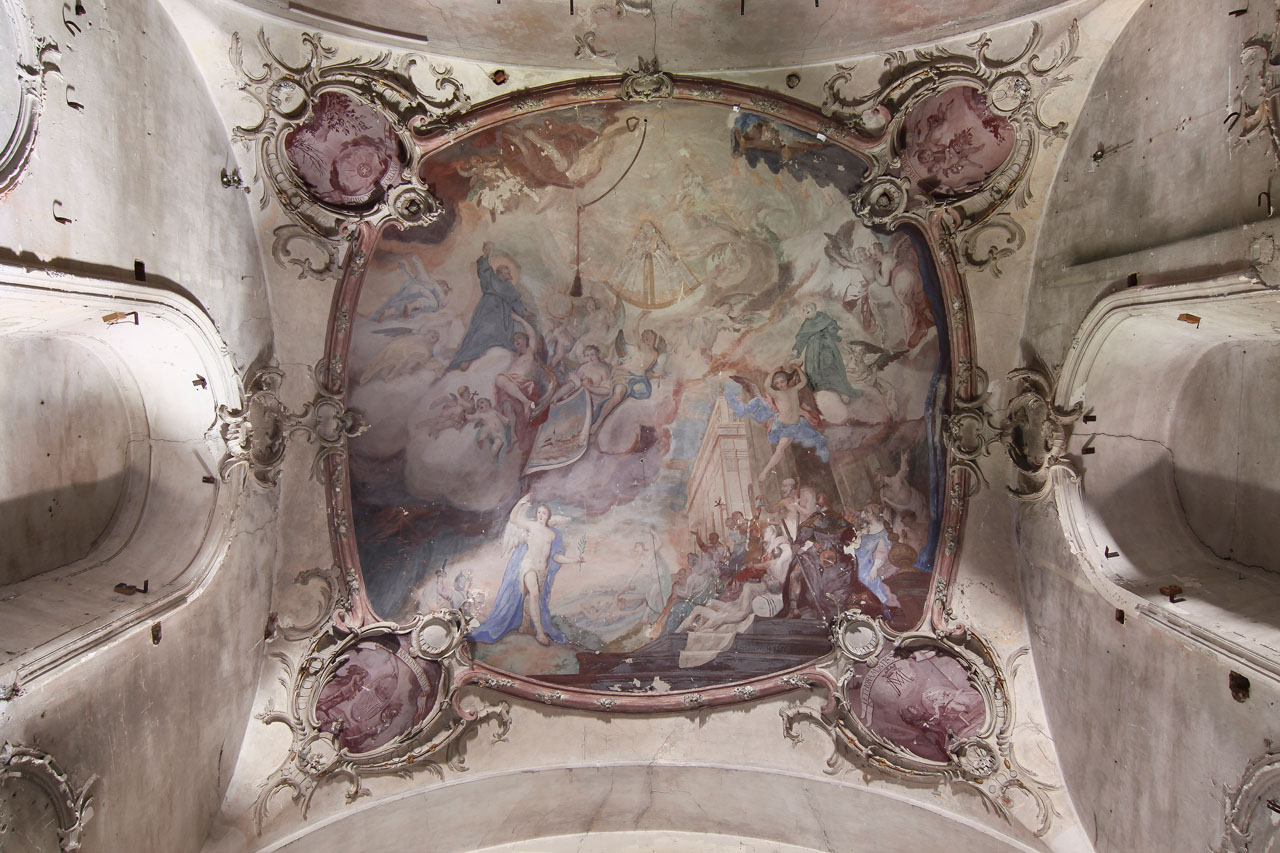
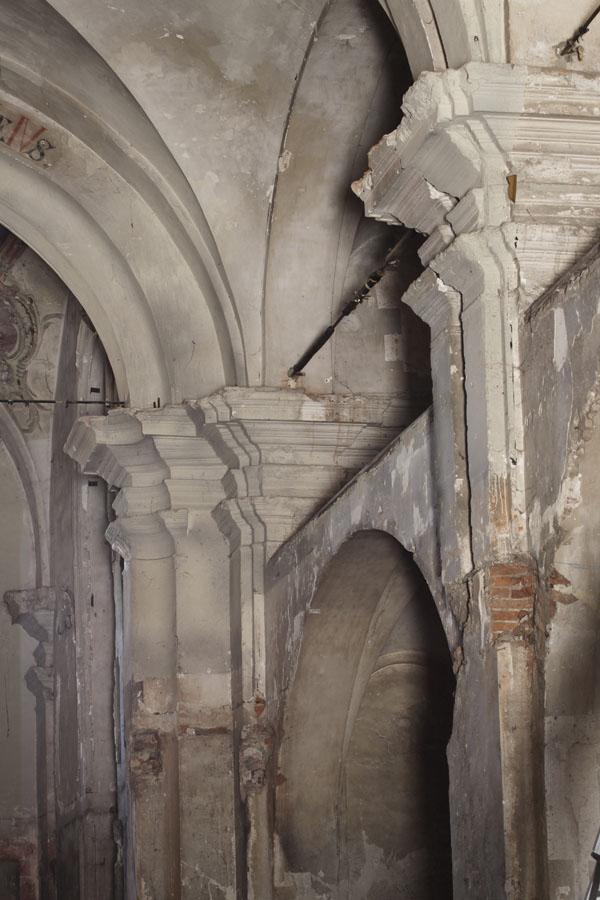
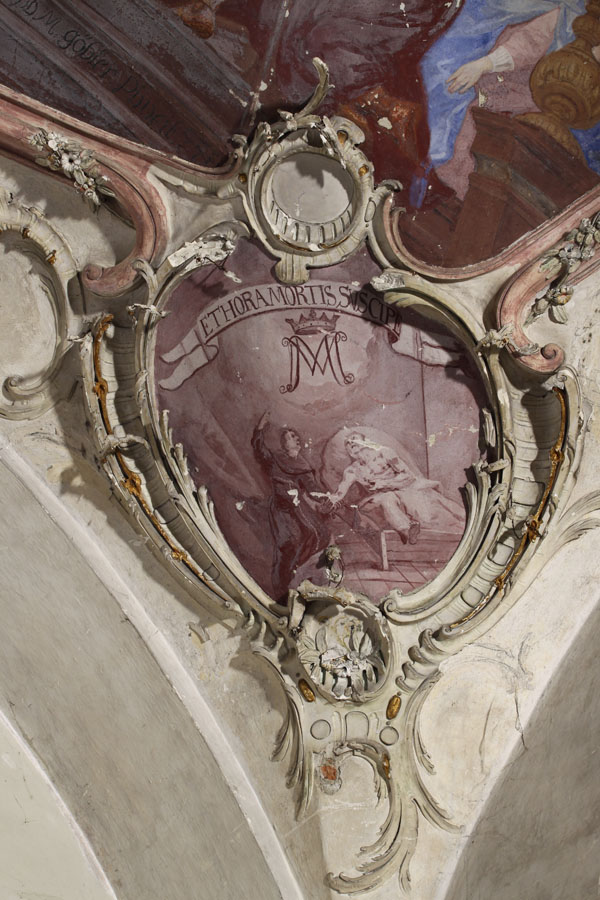
The Church of Our Lady of Assumption has one nave with three pairs of side chapels with galleries; the rectangular presbytery is surrounded by a storeyed sacristy. The Late Baroque façade is concavely arched and articulated by colossal pilasters of the Tuscan order that support the entablature. The interior is divided by pairs of pilasters of the Tuscan order, which support a richly profiled cornice. A double transverse arch rises from the cornice. The nave is covered with a groined vault, while the vault in the presbytery is covered with a Bohemian cap. Between 1770 and 1772, the ceiling of the presbytery was decorated with rich stucco and a fresco made by painter Josef Göbler from Graz. The fresco depicts the Veneration of the merciful image of Our Lady, which floats in the sky; above her are God the Father and the Holy Spirit, below her angels, St. Francis of Assisi and an unknown Minorite monk. Those in need are depicted in the lower section of the painting. The merciful image itself (a wooden sculpture), which was made at the beginning of the 18th century and was also known as Swift because of its fast fulfilment of prayers, had been in the church since 1747. After the dissolution of the monastery in 1784, the Minorites took it with them to their new location and displayed it for veneration in the former Capuchin church. Today, the image is part of the high altar in the new Franciscan church, which was built in place of the old Capuchin one.
Franci Lazarini
(19 December 2012)